Advice for patients
Food as Medicine: How Penn State Health is Transforming Community Nutrition
Their "Food As Medicine" Initiative, recently featured by exploreJefferson, links community gardens, free neighborhood fridges, nutrition education, and clinical care into one coordinated network…
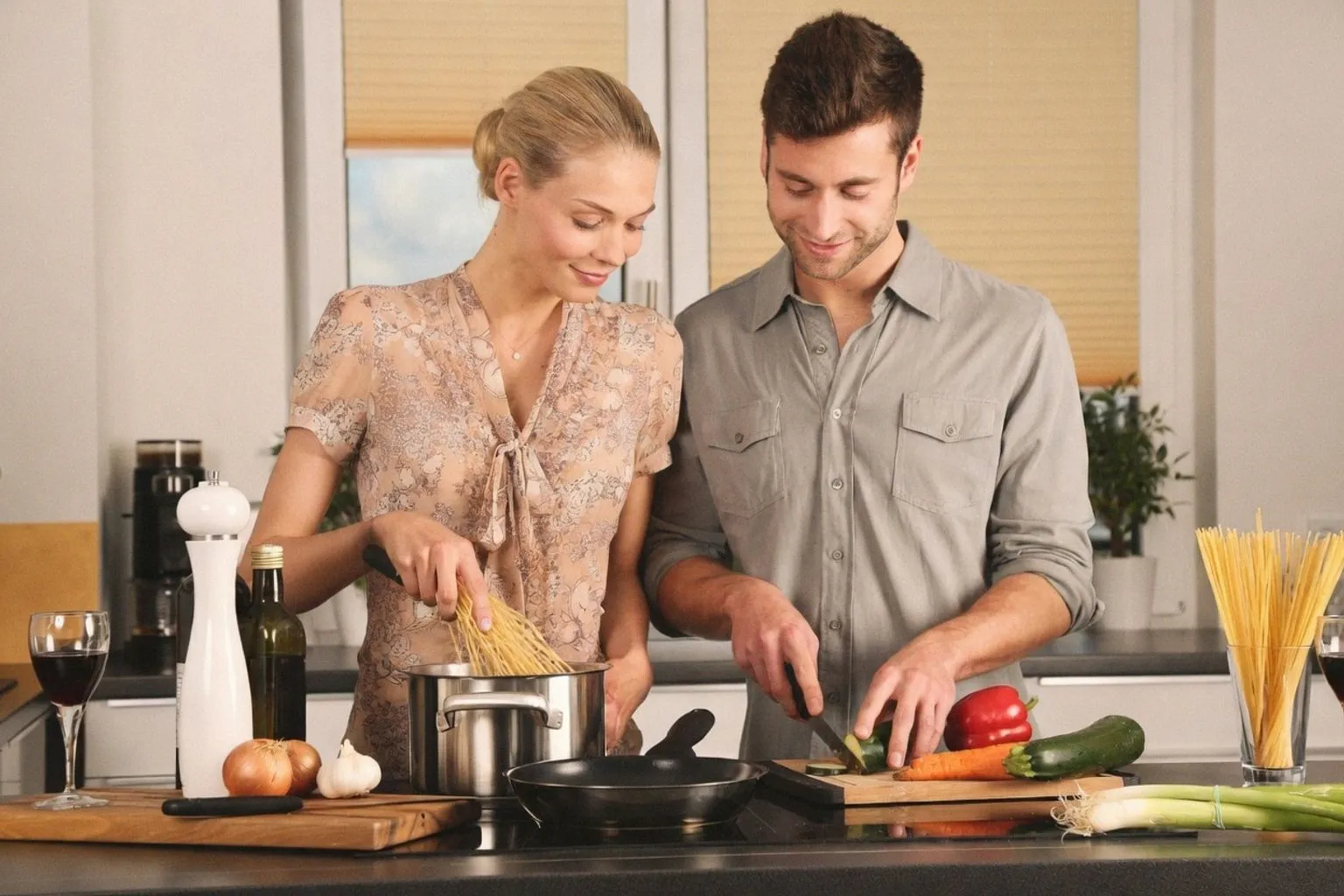
In Hershey, Pennsylvania, Penn State Health and Penn State College of Medicine are quietly rewriting how a community eats. Their "Food As Medicine" Initiative, recently featured by exploreJefferson, links community gardens, free neighborhood fridges, nutrition education, and clinical care into one coordinated network designed to help families prevent and manage diet-related conditions like diabetes and heart disease. For clinicians watching how social determinants shape their patients' health, it is a model worth studying closely.
A network built around the neighborhood table
The program stretches across six counties, supporting 24 gardens and six community fridges alongside more than 100 community partners. At the Chestnut Street Community Center in Lebanon, one of those fridges has become a daily stop for neighbors like Angela Brownstein, who picks up fresh tomatoes and cucumbers for her nine-person household. She told exploreJefferson that what started as a volunteer effort to stock the fridge turned into a lifeline for her family as costs climbed. "In the beginning, we were putting food in," she said. "Now we take food out, due to an income change, the high cost of living, and a need for food." "It's helped out a lot," she added. "We've been eating healthier with the greens we get from the fridge."
Clinical care meets the kitchen
What sets this initiative apart, according to its leaders, is the deliberate layering of services where people already are. Laurie Crawford, program manager for food access at Penn State Health, told exploreJefferson that the goal goes well beyond planting gardens. "We're creating a network of food access points and sustainable food options with our community partners." Amber Coleman, director of community health at Penn State Health, added that the program's strength lies in connecting community-based work with research. "Our strength is not simply in delivering community-based programs or conducting research; it's in connecting the two to improve health and generate evidence for what works," Coleman said. Community health nurses also run screenings at food pantries through the Pantries and Wellness Support program, while educators such as Hillary Amici teach practical skills like building a healthy dessert charcuterie board with nuts, fruit, whole-grain crackers, and dark chocolate. As Susan Veldheer, an associate professor at the College of Medicine, put it, the classes focus on practical skills that help families prepare affordable, healthy meals that fit into busy lives.
What this means for our work
For Dominican healthcare professionals serving communities across Florida, the Penn State model carries a familiar lesson: clinical advice about blood pressure, blood sugar, and weight lands differently when patients can actually find, afford, and prepare the food being recommended. Produce prescriptions, medically tailored groceries, and hands-on cooking classes are no longer fringe ideas; they are tools that bridge the gap between what the body depends on, what the budget allows, and what the kitchen receives. If your clinic or community partner is exploring a similar path, consider where the nearest food access point sits for the patients you see, and how a screening table, a simple recipe card, or a warm referral to a local pantry could fit into your next visit.