
Association & Leadership
Prioritizing Prevention: Why Doctors Are Changing the Approach to Heart and Prostate Health
According to LEADERSHIP Newspapers, clinicians are calling for a sharper pivot from treatment to prevention — two conditions that still claim too many patients far too late, and too often in the same…
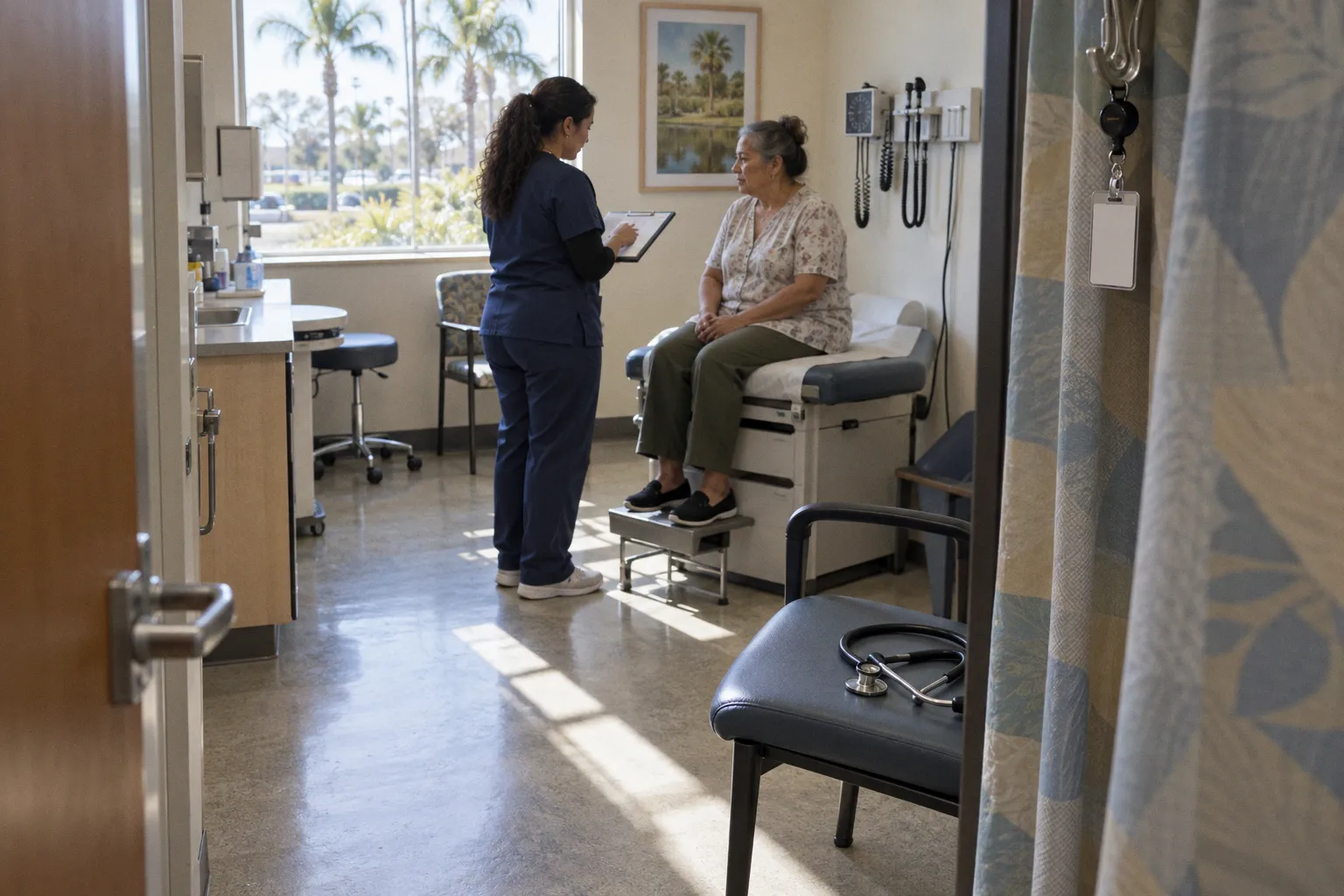
Heart disease and prostate cancer specialists are increasingly pushing the same message: stop waiting for the emergency. According to LEADERSHIP Newspapers, clinicians are calling for a sharper pivot from treatment to prevention — two conditions that still claim too many patients far too late, and too often in the same demographic corridors. The shift is not new rhetoric, but it is gaining traction as disparities data keep piling up and community-level screening programs fill gaps that clinical offices alone cannot reach.
What the Numbers Actually Show
Recent American Heart Association figures, reported by WTOP News, put cardiovascular disease prevalence at roughly 48.9% of U.S. adults. The breakdown by race is where the story gets uncomfortable: Black men sit at about 63%, Black women at 59.5% — a gap public health officials have documented for years without closing. Heart disease remains the leading cause of death across all populations, outpacing every cancer combined. Cardiologists have stopped softening the message. Catch it before it catches you. The American Heart Association's own 2025 update noted that Black Americans face some of the worst cardiovascular outcomes, driven by rising prevalence of the risk factors that lead to CVD in the first place.
A Screening Model Worth Watching
In Washington, D.C., three-time heart attack survivor Tara Robinson and her nonprofit Black Heart Association are running free cardiovascular screenings during the Congressional Black Caucus Foundation's annual legislative conference at the Walter E. Washington Convention Center. The model matters because it meets patients outside the clinic walls — at events they are already attending, in contexts that feel familiar. Robinson told WTOP the goal is to make sure people know where they stand on inherited risk before something breaks. As she put it, these events matter because the conversation happens "in a way that's more relatable to our people." Prevention over treatment, delivered where patients actually show up.
Robinson and her husband Frederick co-founded the organization after her own cardiac history forced the issue. She points to a long list of drivers — chronic stress, dietary patterns shaped by culture and economics, unsafe streets that limit outdoor exercise, and the systemic cost barriers that delay care until it becomes emergency care. None of these are new. What is new is the willingness to bring the screening to the patient instead of the other way around.
What This Means for Our Practices
For clinicians serving Dominican and Caribbean communities across Florida — where hypertension, diabetes, and cardiovascular risk stack up fast and routine screening uptake stays uneven — the prevention argument is not theoretical. It lands in your exam room, in the patient who only shows up when the prescription runs out or the symptom becomes impossible to ignore. Culturally tailored outreach, community-based screening, and earlier risk conversations are not optional add-ons; they are where the next decade of outcomes will be won or lost. The institutions move slowly, but the message is finally getting louder.